
In 2015, Tierney Darden, an aspiring dancer living in Mundelein, a suburb of Illinois, had just come home from a planning session in Minneapolis for her sister’s upcoming wedding – dancing as she tried on her bridesmaid dress – when life as she knew it changed forever.
Darden and other family members were about to leave O’Hare International Airport to head home when a sudden storm blew in, forcing them to huddle beneath a bus shelter while waiting for Darden’s father to pick them up.
While they waited, the storm became more severe and the shelter collapsed on top of them, severing the Truman College student’s spine when she fell.
Darden, who was awarded $148 million in a lawsuit against the City of Chicago in August of 2017, had in an instant become a paraplegic, one of the numerous spinal cord injuries that impact as many as five million people in the United States each year, according to statistics.
What Is a Spinal Cord Injury?
Table of Contents
Spinal cord injuries are classified as an injury that causes damage to any part of the spinal cord or to the nerves at the end of the spinal canal, potentially impacting movement, sensation, strength and other bodily functions.
Spinal cord injuries are so devastating because the spinal cord is made up of soft tissue that extends from the base of the brain to the base of the vertebral column, and is made up of nerves that work with the brain to control the central nervous system.
The level of disability following a spinal cord injury depends on where the injury occurs along the spinal cord and the severity of the injury itself.
Injuries that result in the loss of all sensation and movement below the area where the injury occurred are classified as complete injuries, while injuries that allow varying levels of function below the point of injury are classified as incomplete.
Whether complete or incomplete, spinal cord injuries are further classified based on where the injury occurred.
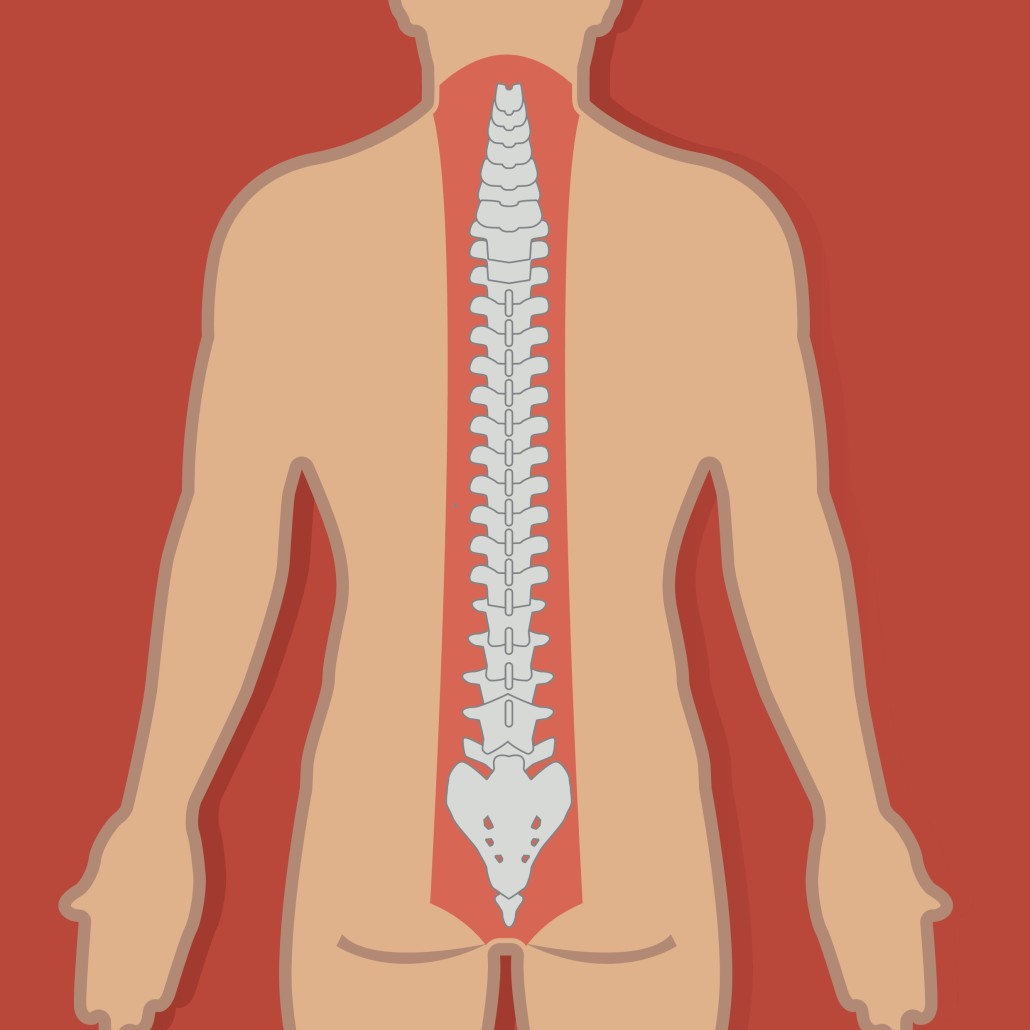
Injuries to the upper spine or neck, which usually cause paralysis from the neck down, impacting shoulders, arms, hands, internal organs, trunk, legs and pelvic organs, are referred to as quadriplegic (also called tetraplegic), while injuries to the lower spine, which result in paralysis from the waist down, impacting either all or part of the trunk, the legs, and the pelvic organs, are referred to as paraplegic injuries.
Causes of Spinal Cord Injuries
According to statistics, of spinal cord injuries that are caused by sudden, traumatic injury, car accidents are the top cause and account for approximately 38 percent of all injuries.
Other common spinal cord injury causes include:
- Falls, 30 percent
- Assaults, 18 percent
- Sports injuries, 9 percent.
Spinal cord injuries can also result from nontraumatic causes, including bone or joint disorders such as arthritis or osteoporosis, which can weaken the structure surrounding the spinal cord, creating risk factors for injury, as well as diseases or illnesses such as cancer, infection or inflammation, which can impact regions of the spinal cord.
Symptoms of Spinal Cord Injuries
While spinal cord injuries may not be immediately apparent – bleeding and swelling caused after an injury can lead to paralysis if proper treatment isn’t sought – there are some symptoms traditionally associated with spinal cord injuries that help in diagnosis.
They include:
- Loss of movement
- Loss of sensation
- A numbness that occurs gradually
- Loss of bladder or bowel control
- Changes in sexual function, including sexual sensitivity
- Neuropathy caused by damage to the nerves of the spinal cord, resulting in pain or tingling
- Trouble breathing or coughing due to reduced lung function.
Spinal Cord Injury Statistics
- Men are more likely to experience spinal cord injuries than women. Only 20 percent of traumatic spinal cord injuries in the United States are suffered by women.
- Youth plays a role in spinal cord injuries. People between the ages of 16 and 30 are more likely to suffer a traumatic spinal cord injury than those of other ages.
- Older people are also at risk. Because falls are a top risk factor for traumatic spinal cord injuries and diseases associated with spinal cord injuries such as arthritis and osteoporosis are age-related, those over 65 are also more at risk of spinal cord injury.
- Daredevils are putting themselves at risk of spinal cord injuries. Diving accidents, playing sports without the proper safety gear, scaling tall buildings or the local water tower or channeling professional racecar drivers while on the interstate all elevate the chances of spinal cord injuries.
- According to the National Spinal Cord Injury Statistical Center, about 15 percent of spinal cord injuries are the result of acts of violence, most often involving gun or knife injuries.
If you suffered a spinal cord injury, get in touch with our team today to see how our Chicago spinal injury lawyer can help.